
Back to School: Why Eye Health Should Be on Every Parent's Checklist
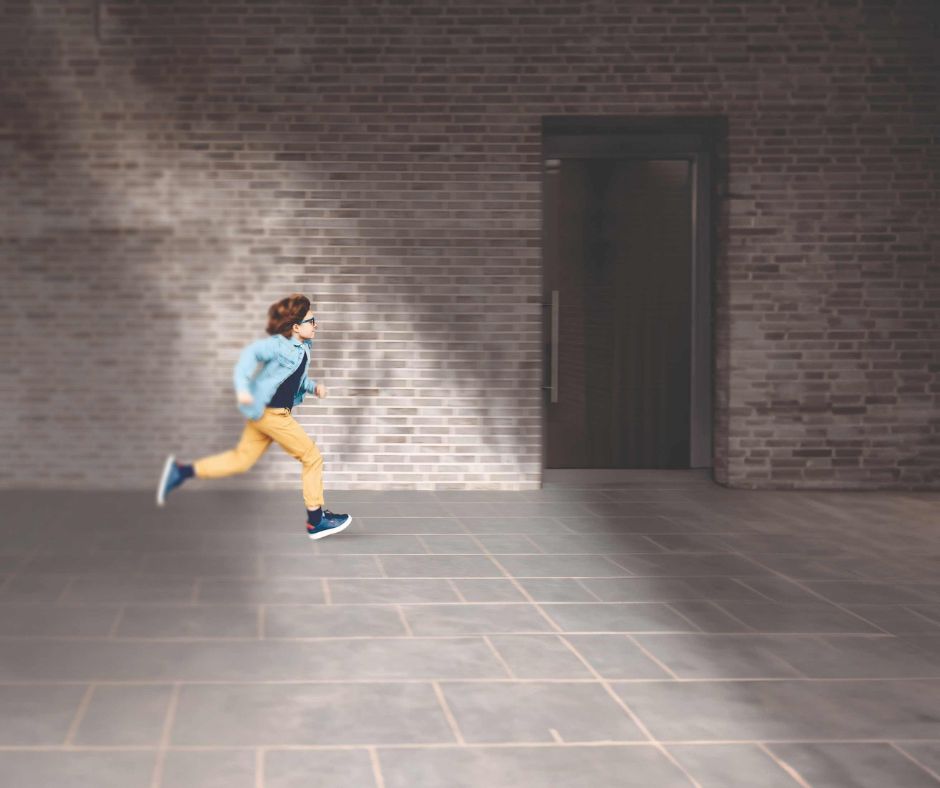
As children prepare to return to school, parents are busy shopping for uniforms, books, stationery, and other essentials. While these preparations are important, one crucial aspect often gets overlooked eye health. Clear vision plays a key role in a child's learning, confidence, and overall development, making eye care an important part of every back-to-school checklist.
Myopia: A Growing Concern Among Children
Myopia, commonly known as nearsightedness, is one of the most common vision conditions affecting school-age children today. Children with myopia can see nearby objects clearly but may struggle to see distant objects such as the classroom board, presentation screens, or signs.
Over the years, experts have observed a rise in myopia among children. Increased screen exposure, prolonged near-work activities such as reading and writing, and reduced time spent outdoors are some of the factors associated with this trend. Since vision changes often occur gradually, many children may not realize they are experiencing blurry vision.
"Many parents assume that if their child is not complaining about their eyesight, their vision must be fine. However, children often adapt to vision changes and may not recognize that what they are seeing is not normal. Symptoms such as headaches, eye strain, difficulty concentrating, or even declining academic performance can sometimes be linked to an underlying vision problem. A comprehensive eye examination before the school year begins can help detect issues early and ensure children have the visual support they need to learn confidently and comfortably throughout the year," says Dr. Amod Nayak Head – Clinical Services, Dr Agarwals Eye Hospitals, Whitefield, Bengaluru
Signs Parents Should Watch For
Children may not always communicate vision-related difficulties, making it important for parents and teachers to recognize potential warning signs.
Common signs of myopia include:
- Squinting while looking at distant objects
- Sitting very close to the television
- Holding books or digital devices too close to the eyes
- Frequent headaches or eye strain
- Excessive eye rubbing
- Difficulty seeing the classroom board
- Reduced concentration during studies
- Complaints of blurry vision
Recognizing these signs early can help ensure timely intervention and prevent vision issues from affecting a child's learning experience.
Why Vision Matters for Learning
Children rely heavily on their eyesight throughout the school day. From reading textbooks and taking notes to viewing classroom presentations and participating in extracurricular activities, clear vision is essential for effective learning.
When vision problems remain unaddressed, children may experience:
- Difficulty following lessons
- Reduced classroom participation
- Challenges with reading and writing
- Lower confidence levels
- Declining academic performance
Regular eye examinations can help identify vision concerns early and ensure that children receive appropriate care and guidance.
Healthy Habits for Better Eye Health
Along with routine eye check-ups, simple lifestyle habits can help support children's eye health.
Encourage Outdoor Activities
Spending time outdoors and engaging in physical activities can support healthy visual development while also benefiting overall health and well-being.
Manage Screen Time
Parents can help reduce digital eye strain by encouraging regular breaks, maintaining a comfortable viewing distance, and ensuring children use devices in well-lit environments.
Follow the 20-20-20 Rule
A simple way to reduce eye strain is to follow the 20-20-20 rule:
- Every 20 minutes
- Look at something 20 feet away
- For at least 20 seconds
Dr. Rahul Jain, Consultant Ophthalmologist At Dr. Jain's Eye Clinic Added "As children return to classrooms and resume their daily learning routines, eye health should be given the same priority as books, uniforms, and other school essentials. Healthy visual habits established during childhood can have long-term benefits. Encouraging outdoor activities, balancing screen time, and scheduling routine eye examinations can go a long way in supporting healthy vision. Early detection and timely management of vision problems not only help children perform better academically but also contribute to their confidence, comfort, and overall quality of life,"
Make Eye Exams a Back-to-School Essential
A new academic year brings fresh opportunities for learning and growth. By making eye examinations a regular part of their back-to-school preparations, parents can help ensure that children have the clear vision they need to succeed both inside and outside the classroom. Just as books and uniforms prepare children for school, healthy vision helps prepare them for a successful future.
1.jpg)

1.jpg)
1.jpg)
1.jpg)
1.jpg)
.jpg)
.jpg)
.jpg)
.jpg)
.jpg)
.jpg)


1.jpg)



.jpg)
.jpg)



_(Instagram_Post).jpg)
.jpg)
_(1080_x_1080_px).jpg)


with_UP_Cabinet_Minister_Sh_Nand_Gopal_Gupta_at_OpticsFair_demonstrating_Refraction.jpg)
with_UP_Cabinet_Minister_Sh_Nand_Gopal_Gupta_at_OpticsFair_demonstrating_Refraction_(1).jpg)

.jpg)







.jpg)


.png)