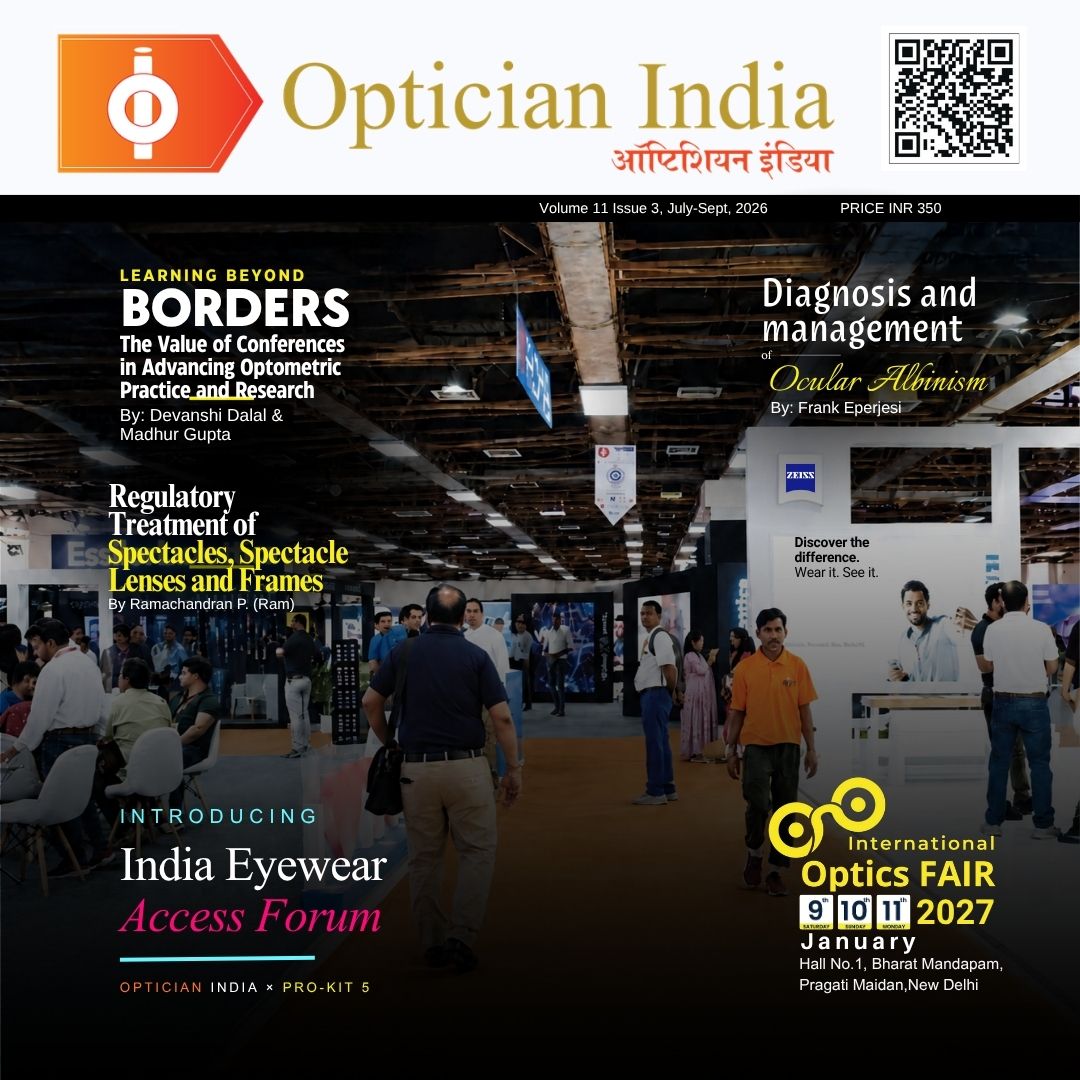
Regulatory Treatment of Spectacles, Spectacle Lenses and Frames : Class A Exemption, Optical-Shop Dispensing and the Case for an Opticians Act
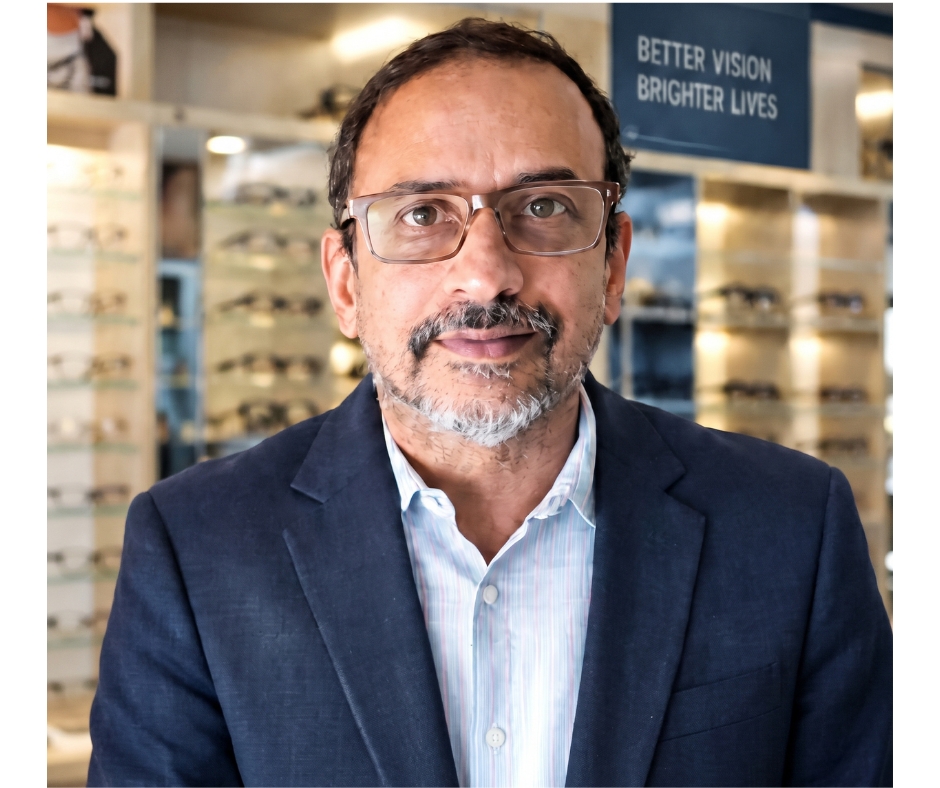
A Personal Industry Perspective
Eyewear & Vision Care Industry Professional
A discussion paper for consideration by India's optical industry associations and stakeholders
Purpose of this Paper
India's optical industry is entering an important phase in its regulatory development. Recent developments concerning the treatment of spectacles under the Medical Devices Rules, 2017 provide an opportunity for the optical fraternity to consider what would constitute an appropriate, proportionate and practical regulatory framework for spectacles, spectacle lenses, frames and optical dispensing.
I am presenting this paper in my personal capacity as an industry professional, drawing upon my experience in the eyewear and vision-care sector. It is not intended to represent the formal position of any company, association or organisation with which I am or have been associated.
The purpose is to place certain issues and possible solutions before India's optical associations, dispensing opticians, manufacturers, importers, retailers and other stakeholders for their consideration. My hope is that, after discussion and appropriate legal and regulatory review, the relevant industry associations may consider developing a common industry representation for submission to the Ministry of Health & Family Welfare and CDSCO.
The Central Issue
The objective of medical-device regulation - ensuring the quality, safety and performance of products used for vision correction - is unquestionably important. At the same time, regulation should recognize the characteristics of spectacles. Ordinary spectacles are passive, non-invasive and non-sterile products that have been safely dispensed through India's optical establishments for generations.
The regulatory framework should therefore achieve two objectives simultaneously: protect the consumer and preserve access to affordable vision correction.
Principles for a Balanced Approach
- Where appropriate, ordinary spectacles may be recognised as low-risk Class A medical devices.
- The expression "Prefabricated/Mass-produced prescription spectacles" should be clearly defined so that there is no ambiguity between a mass-produced finished spectacle and a spectacle individually prepared and dispensed for a particular wearer.
- Eligible Class A non-sterile and non-measuring spectacles should receive the licensing exemption provided under the Medical Devices Rules, while continuing to comply with applicable registration, labelling, quality and standards requirements.
- Ordinary spectacle frames, ophthalmic lenses, lens blanks and semi-finished lenses should not be subjected to disproportionate or duplicative licensing requirements. Their exact regulatory treatment should be expressly clarified.
- An optical establishment performing normal spectacle dispensing should not require a separate medical-device sale licence or premises registration merely because it stocks, fits, glazes, adjusts or dispenses eligible spectacles, frames and ophthalmic lenses.
- Product quality should principally be protected through appropriate BIS/ISO standards, quality systems, labelling, traceability and consumer-protection mechanisms.
- Professional accountability should be addressed separately through an appropriate statutory framework for dispensing opticians.
Prefabricated Spectacles Need a Clear Definition
One of the principal issues requiring clarification is the expression "Prefabricated/Mass-produced prescription spectacles." A finished spectacle manufactured in advance in standard configurations is fundamentally different from a pair of spectacles individually prepared following a patient's prescription and dispensing measurements.
A custom-dispensed spectacle may involve different powers between the two eyes, cylinder and axis, prism, addition, monocular pupillary distances, fitting heights, progressive or occupational lens designs, coatings and other wearer-specific parameters.
It is therefore worth considering whether the Government could clarify the distinction along the following lines:
“Prefabricated/Mass-produced prescription spectacles” means a complete ready-to-wear ophthalmic device manufactured in advance in standard powers and configurations and supplied without individual prescription-based lens manufacture, centration, fitting-height measurement or patient-specific assembly. It does not include spectacles individually assembled, surfaced, edged, centred, fitted or dispensed against a patient-specific prescription and measurements.
Ready-to-wear near-vision spectacles, commonly known as Ready Readers or reading glasses, would be the clearest example of the prefabricated category. Such clarification would substantially reduce uncertainty for manufacturers, importers, laboratories, optical retailers and enforcement authorities.
Class A: Regulation Without Disproportionate Licensing
If ordinary spectacles are to be regulated as medical devices, Class A appears to me to be the logical risk category for conventional products that are non-invasive, non-sterile and passive. Importantly, however, classification as a medical device should not automatically be equated with a requirement for conventional medical-device licensing.
The existing framework for eligible Class A non-sterile and non-measuring medical devices provides an important precedent for proportionate regulation. The objective should therefore be: low-risk classification + appropriate registration + standards and quality compliance + exemption from disproportionate licensing. This is very different from arguing that spectacles should be completely unregulated.
What Should Happen at the Optical-Shop Level?
This is perhaps the issue of greatest practical importance to India's optical trade. An optical establishment normally receives or works from a prescription and undertakes frame and lens selection; pupillary-distance and fitting-height measurements; ordering, edging and glazing lenses; mounting and alignment; verification of the finished spectacles; fitting and adjustment; and after-sales care. These activities constitute spectacle dispensing.
In my view, an optical shop should not require a separate medical-device sale licence or premises registration merely to undertake the normal stocking, fitting, glazing, adjustment and dispensing of eligible spectacles, frames and ophthalmic lenses. This should, however, be expressly clarified by the Government so that there is uniform interpretation across States.
Such an exemption should not be misunderstood as authorising an unqualified person to undertake clinical diagnosis, refraction or prescribing where these activities are otherwise regulated.
Frames and Ophthalmic Lenses
There is also a strong case for separately examining the regulatory status of frames and ophthalmic lenses. A spectacle frame by itself does not correct refractive error. Similarly, a lens blank or semi-finished lens may require further surfacing, edging, centration and fitting before it becomes part of a wearable spectacle.
I believe the preferable approach would be for ordinary frames, lens blanks, semi-finished lenses and ophthalmic spectacle lenses not to be subjected to separate medical-device licensing merely as components of a spectacle. If the regulatory authorities consider their inclusion necessary, an alternative would be to place eligible products within an appropriate Class A exemption framework.
Quality need not be compromised. Appropriate BIS and ISO standards, manufacturing quality systems, product specifications, labelling and traceability can provide robust consumer protection.
Product Regulation and Professional Regulation Should Be Separated
An important distinction is sometimes lost in the regulatory discussion: regulating spectacles is not the same as regulating the person dispensing spectacles. India needs both good products and competent professionals.
Optometrists have a professional framework under the NCAHP system. Dispensing opticians perform a related but distinct function in converting a prescription into accurately fitted eyewear. Their responsibilities can include prescription interpretation, dispensing measurements, frame and lens selection, fitting, verification, adjustment and aftercare.
This leads to a larger question which, in my view, the optical fraternity should now seriously consider: Does India need an Opticians Act?
Possible Elements of an Opticians Act
- Recognition and definition of the dispensing-optician profession.
- Minimum education and competency standards.
- Registration of practitioners.
- Transitional or grandfathering provisions for experienced existing practitioners.
- A clearly defined scope of practice.
- Professional ethics and accountability.
- Continuing professional development.
- Coordination with optometry, ophthalmology and other eye-care professions.
Importantly, an Opticians Act could distinguish dispensing from diagnosis and prescribing, thereby protecting both consumers and legitimate professional boundaries.
A Possible Common Industry Position
I would respectfully suggest that India's optical associations consider discussing whether a common representation to Government could seek the following:
- Clarify the meaning and scope of "Prefabricated/Mass-produced prescription spectacles."
- Distinguish clearly between prefabricated spectacles and patient-specific custom-dispensed spectacles.
- Apply proportionate Class A treatment and the applicable exemption framework to eligible non-sterile and non-measuring spectacles.
- Expressly clarify that ordinary optical-shop dispensing of eligible spectacles does not trigger a separate medical-device sale licence or MD-42 premises registration.
- Provide clear and proportionate treatment for spectacle frames, ophthalmic lenses, lens blanks and semi-finished lenses.
- Use BIS/ISO standards, quality systems, labelling and post-market oversight as the principal mechanisms for ensuring product quality.
- Constitute a stakeholder group comprising Government, optical associations, manufacturers, laboratories, retailers, dispensing opticians, optometrists and other relevant eye-care stakeholders.
- Begin a separate consultation on the desirability and structure of a national Opticians Act.
Conclusion
The issue before us should not be framed as regulation versus no regulation. The better question is: What form of regulation gives Indian consumers the greatest protection without unnecessarily restricting access to spectacles?
Spectacles are among the simplest and most effective interventions for correcting refractive error. India needs a regulatory system that recognises their importance while ensuring appropriate quality and professional accountability.
In my personal view, the right direction is a three-part framework: proportionate Class A product regulation, strong technical standards, and clearly defined professional regulation for dispensing opticians.
I offer these thoughts as a starting point for discussion within India's optical fraternity. I would welcome the views of optical associations, manufacturers, laboratories, retailers, dispensing opticians, optometrists, ophthalmologists and other stakeholders.
If there is broad agreement on the principles, the next step could be for the country's optical associations to jointly develop and submit a consensus representation to the Ministry of Health & Family Welfare and CDSCO.
P. Ramachandran (Ram)
Eyewear & Vision Care Industry Professional
Disclaimer: This paper represents the author's personal views and is intended solely to stimulate industry discussion. It does not represent the official position of any company, association, institution or organisation with which the author is associated.
Regulatory Treatment of Spectacles, Spectacle Lenses and Frames : Class A Exemption, Optical-Shop Dispensing and the Case for an Opticians Act
By P. Ramachandran (Ram) A Personal Industry Perspective Eyewear & Vision Care Industry Professional A discussion paper for consideration by India&...
read more
Beyond 20/20: Redefining Myopia Management and the Imperative Role of Indian Opticians
By: Vinay Swaroop Balla Navigating the 2050 Epidemiological Shift, Clinical Defocus Technologies, and the Paradigm Transition from Passive Dispensing t...
read more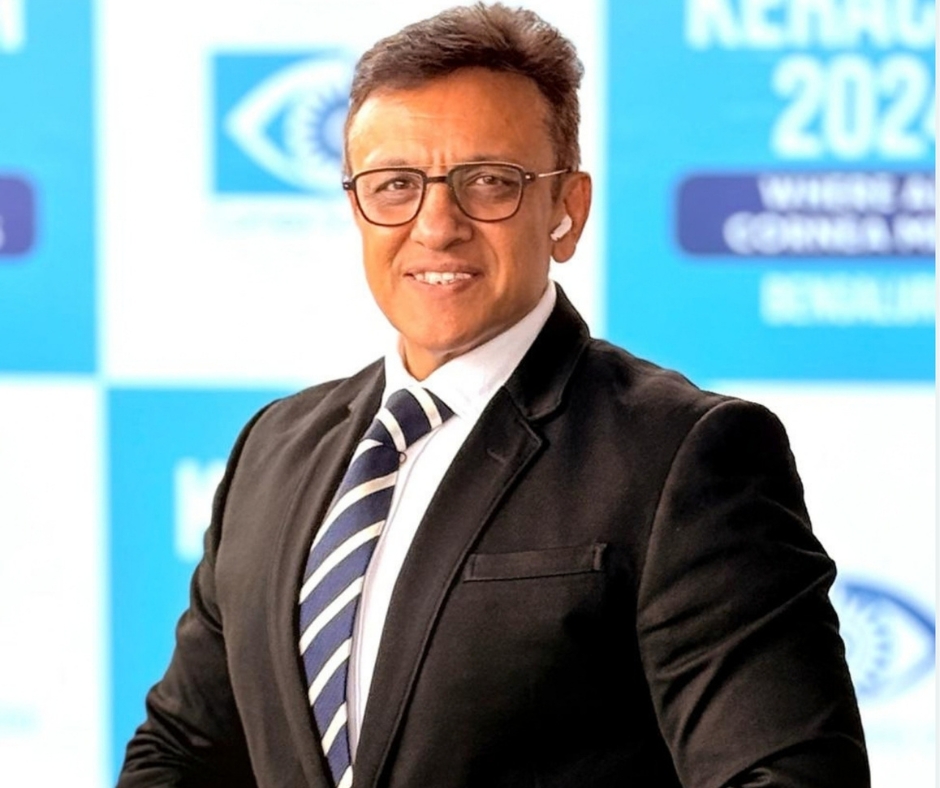
37 years of specialty contact lens experience, brought to one of the most demanding ocular surface cases.
By GAGAN SAHNI Director – Professional Affairs Silverline Labs Pvt. Ltd Case Study Stevens-Johnson Syndrome : Mucous Membrane Grafting | Lid margin k...
read more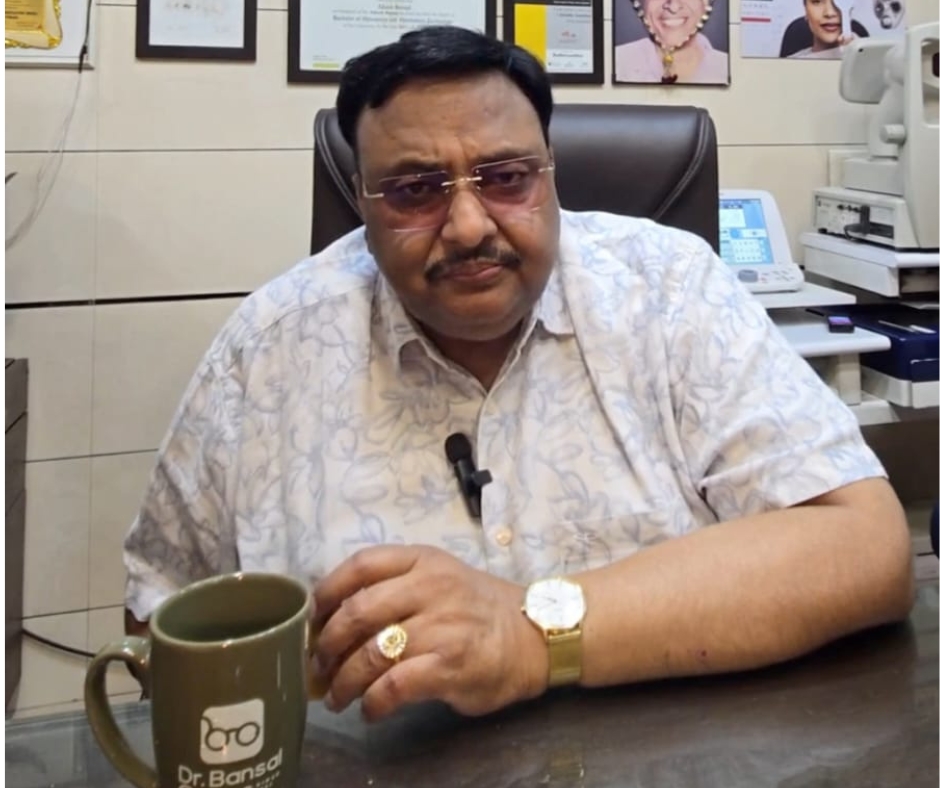
Industry Expert Spotlight: Subash Bansal Shares His Firsthand Experience with Nova MaxCvue Lenses
In the optical industry, few recommendations carry as much weight as those from seasoned professionals who experience products both as experts and daily wearers...
read more
True luxury? Time well spent and emotion
By Angelica Pagnelli In the past, "sister brands"—the segmentation of brands by major fashion houses—served to sell products to those w...
read more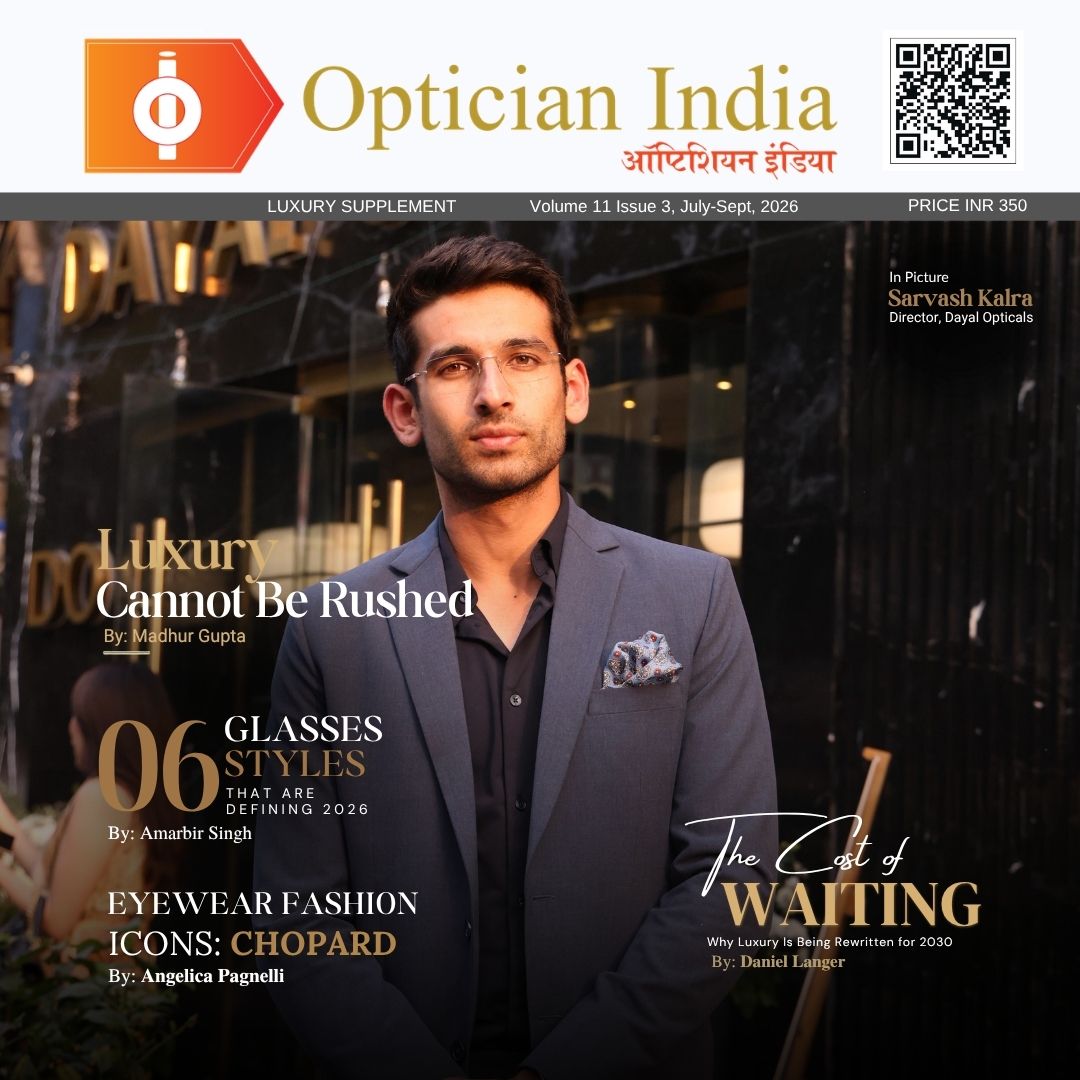












.jpg)
.png)