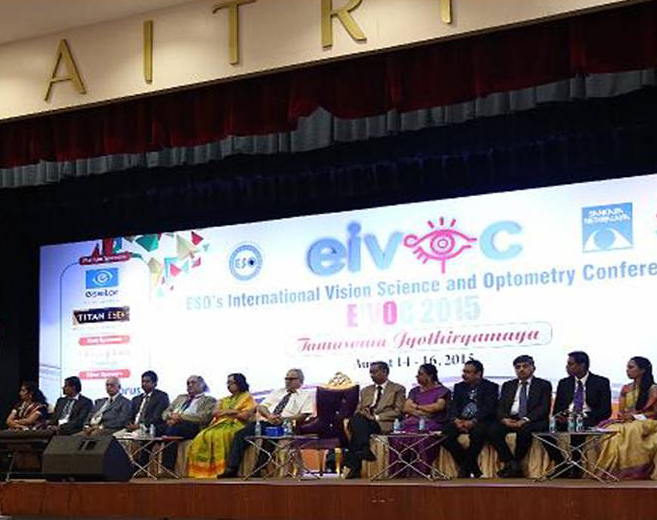
February is AMD and Low Vision Awareness Month: Let's Shed Light on Vision Health
.jpg)
February marks AMD and Low Vision Awareness Month, a time to raise awareness about age-related macular degeneration (AMD) and low vision. These conditions affect millions of people worldwide, impacting their daily lives and independence.
What is AMD?
Age-related macular degeneration (AMD) is a leading cause of vision loss among people over 50. It occurs when the macula, the part of the retina responsible for central vision, deteriorates. AMD can cause blind spots, distorted vision, and loss of central vision.
What is Low Vision?
Low vision is a visual impairment that cannot be corrected with glasses, contact lenses, or surgery. It can result from various eye conditions, including AMD, diabetic retinopathy, and glaucoma. Low vision can make everyday tasks challenging, such as reading, cooking, and navigating.
Risk Factors and Prevention
While some risk factors, like age and family history, cannot be changed, there are steps you can take to reduce your risk:
- Eat a balanced diet rich in fruits, vegetables, and omega-3 fatty acids
- Exercise regularly
- Don't smoke
- Wear sunglasses with UV protection
- Get regular eye exams
 |
Coping with AMD and Low Vision
If you or a loved one is living with AMD or low vision, there are resources available:
- Adaptive technology, such as magnifying glasses and software
- Rehabilitation services, like occupational therapy and visual training
 |
- Support groups and counseling
- Low vision clinics and specialists
Raise Awareness and Take Action
This February, let's shine a light on AMD and low vision awareness:
- Share information with friends and family
- Wear yellow, the awareness color for AMD
- Participate in fundraising events or donate to vision organizations
- Schedule an eye exam to prioritize your vision health
Together, we can make a difference and promote vision health for all.
.jpg)
Stevens-Johnson Syndrome : Mucous Membrane Grafting | Lid margin keratinisation | Corneo-Scleral Lens
By GAGAN SAHNI Director – Professional Affairs Silverline Labs Pvt. Ltd Introduction In 2016, a 33-year-old male diagnosed with SJS underwent MM...
read more.jpg)
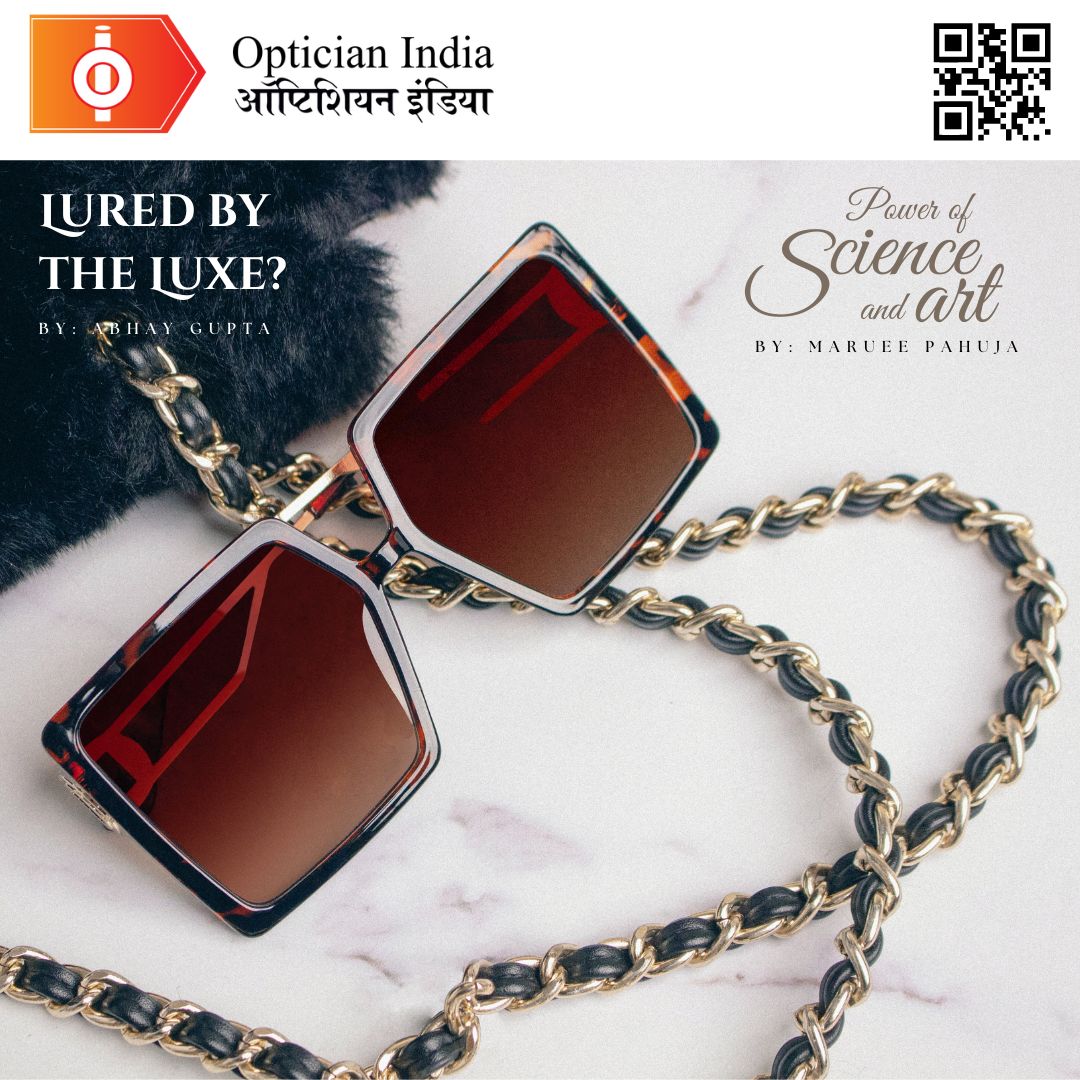
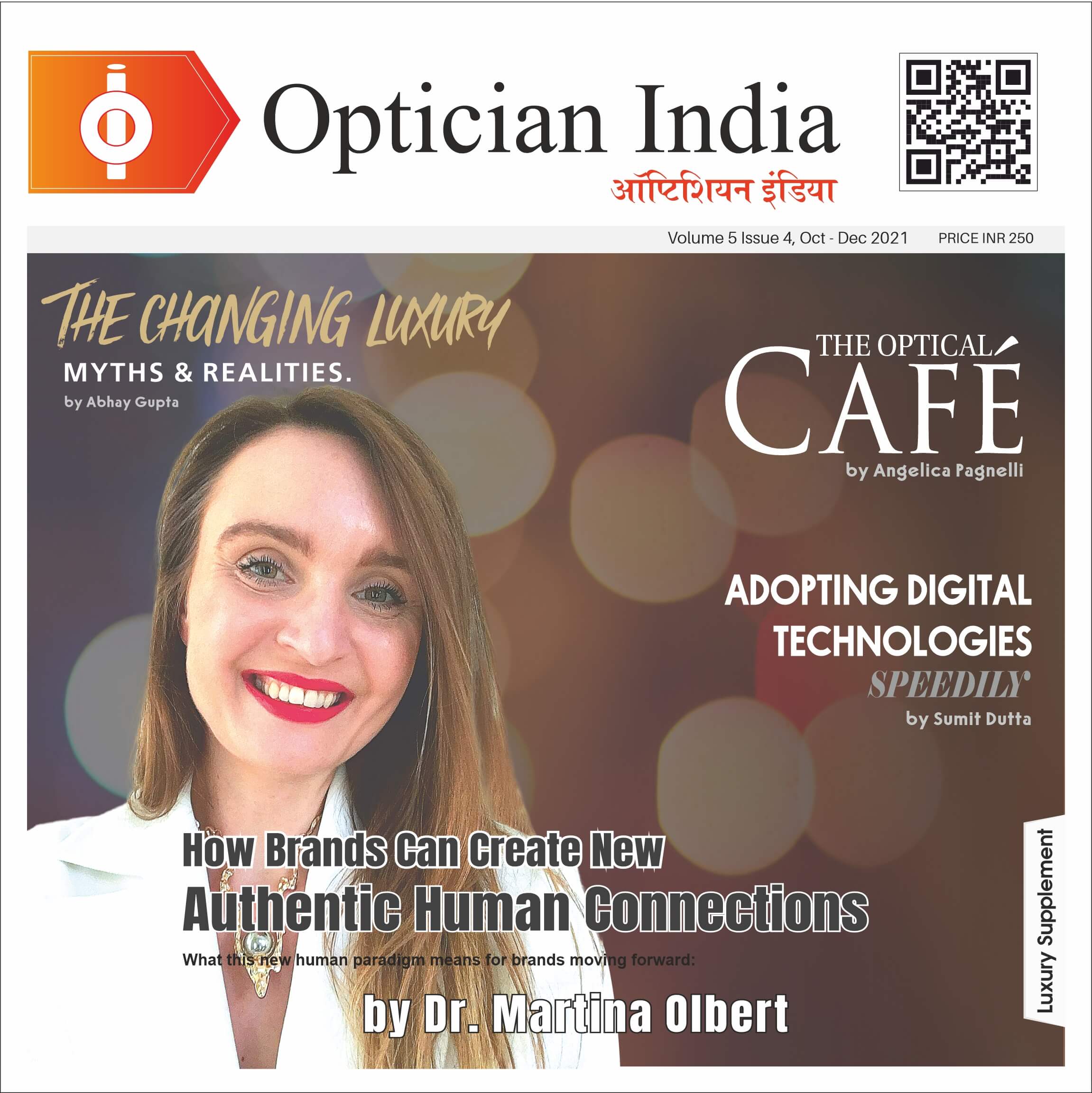
True luxury? Time well spent and emotion
By Angelica Pagnelli In the past, "sister brands"—the segmentation of brands by major fashion houses—served to sell products to those w...
read more1.jpg)
Who Can Call Themselves an Optometrist? NCAHP May Finally Settle the Question
A personal perspective on professional standards, diploma qualifications and the future eye-care workforce By Ramachandran P. India's eye-care sector is...
read more.jpg)
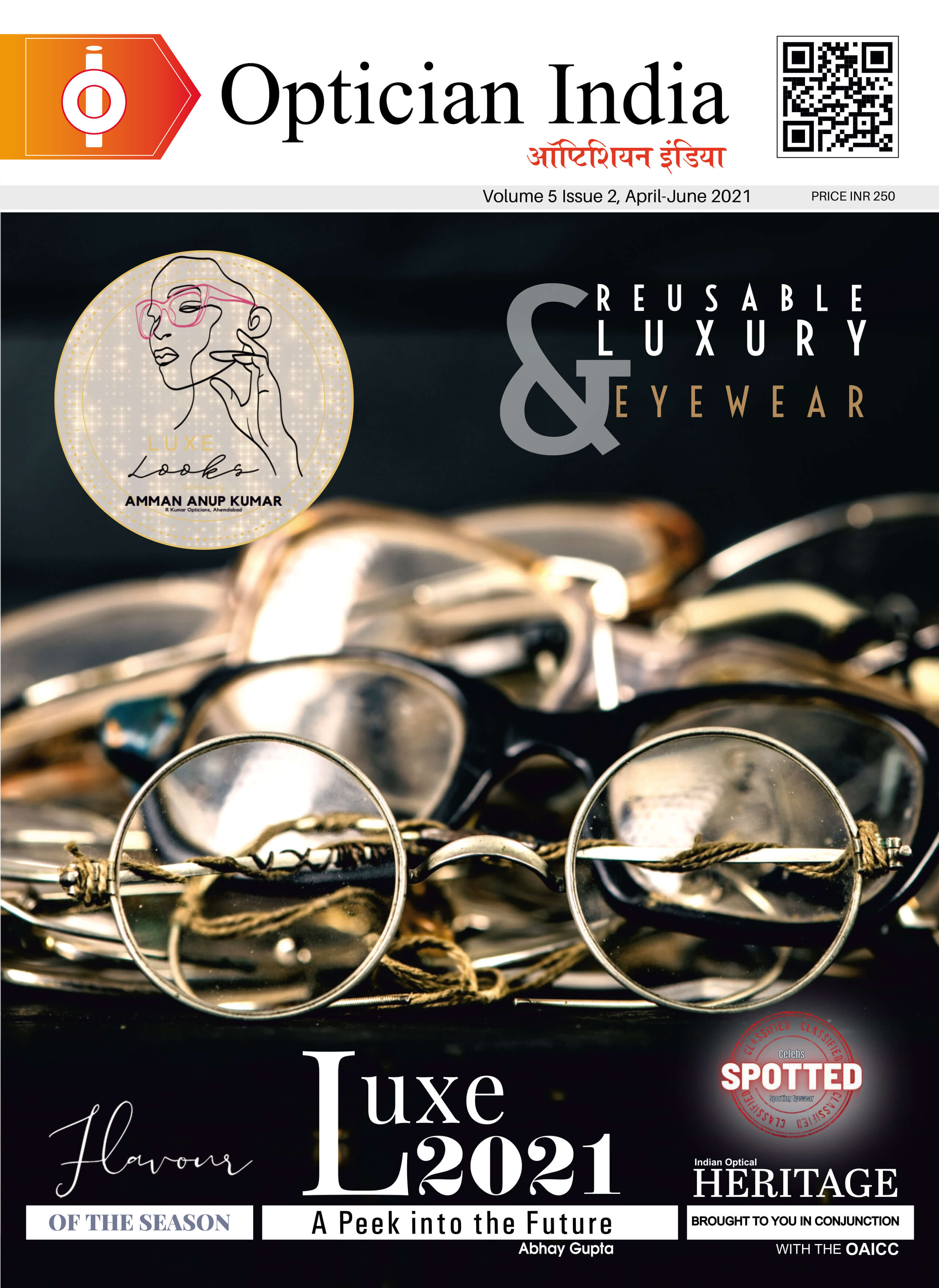
Future Ready Optician: Trust, technology and the new language of luxury optical retail
By Moosi Kazmi True luxury in optics is personal accuracy. This is where the independent optician remains irreplaceable. A family returned to the s...
read more
The Future of Eyewear in India: Premiumization, Technology, and Consumer Change
Interview with Akash Goyle In this exclusive interview, Madhur Gupta, Editor, Optician India sits down with industry pioneer Akash Goyle, the former Co...
read more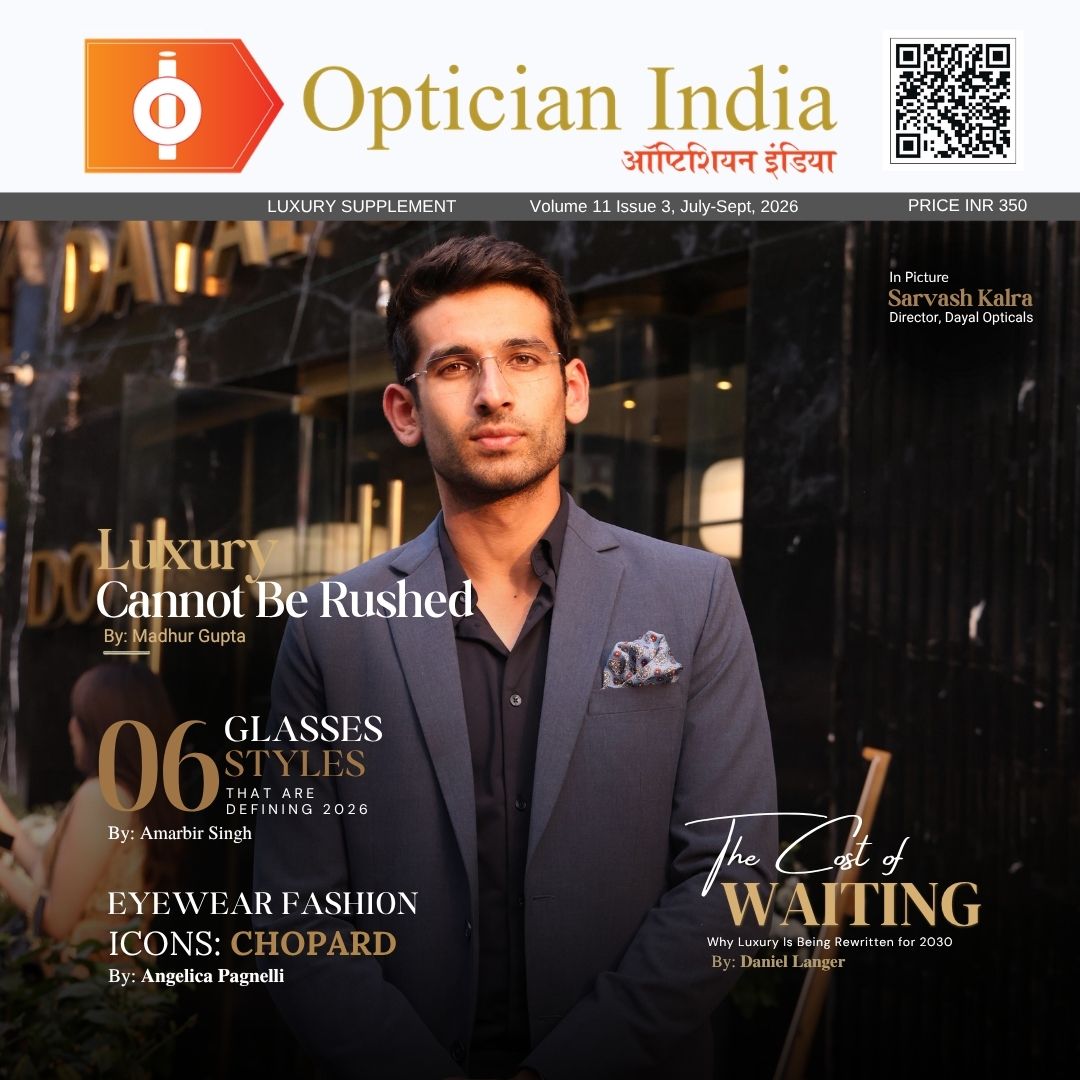
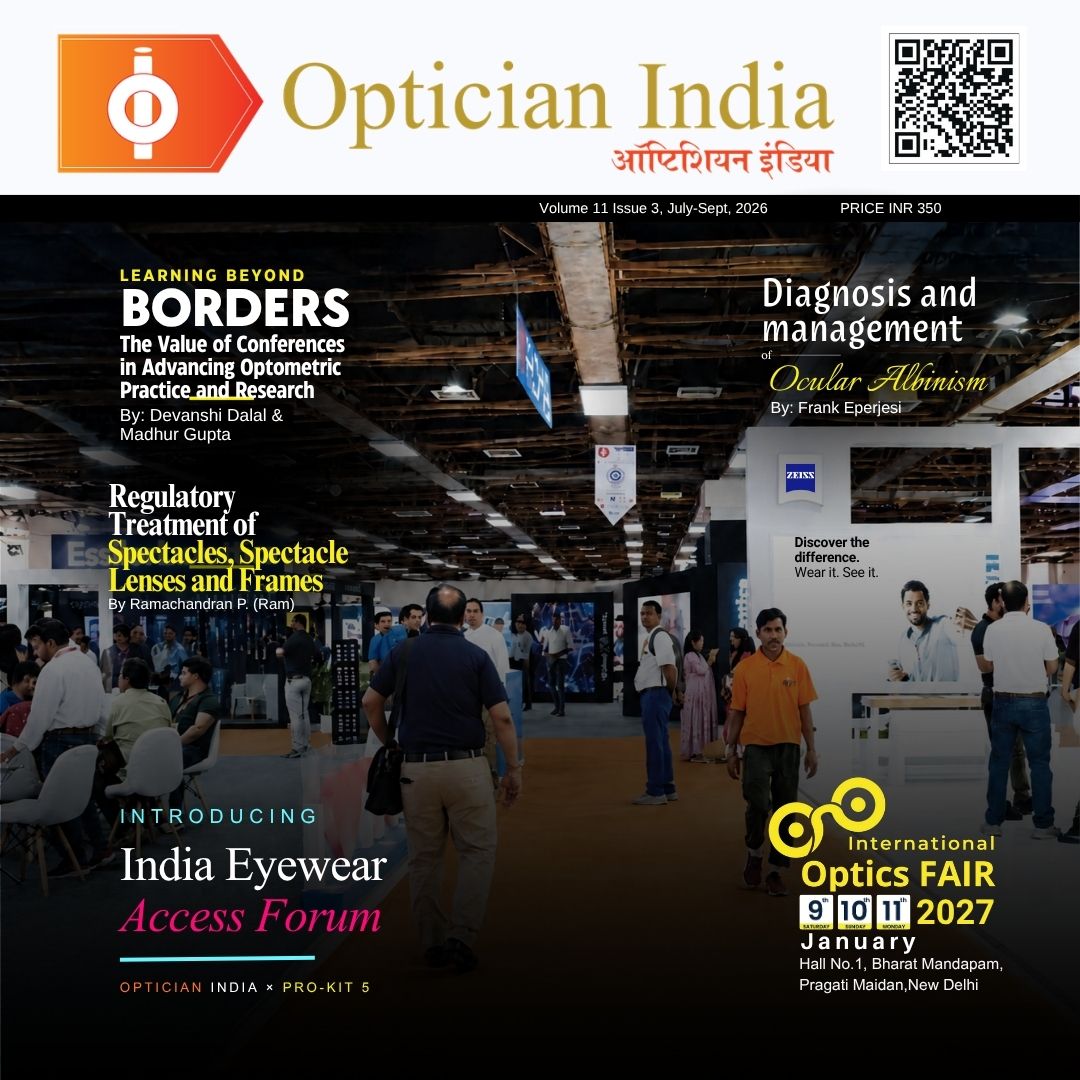
.jpg)
.jpg)
.jpg)
.jpg)
.jpg)
.jpg)
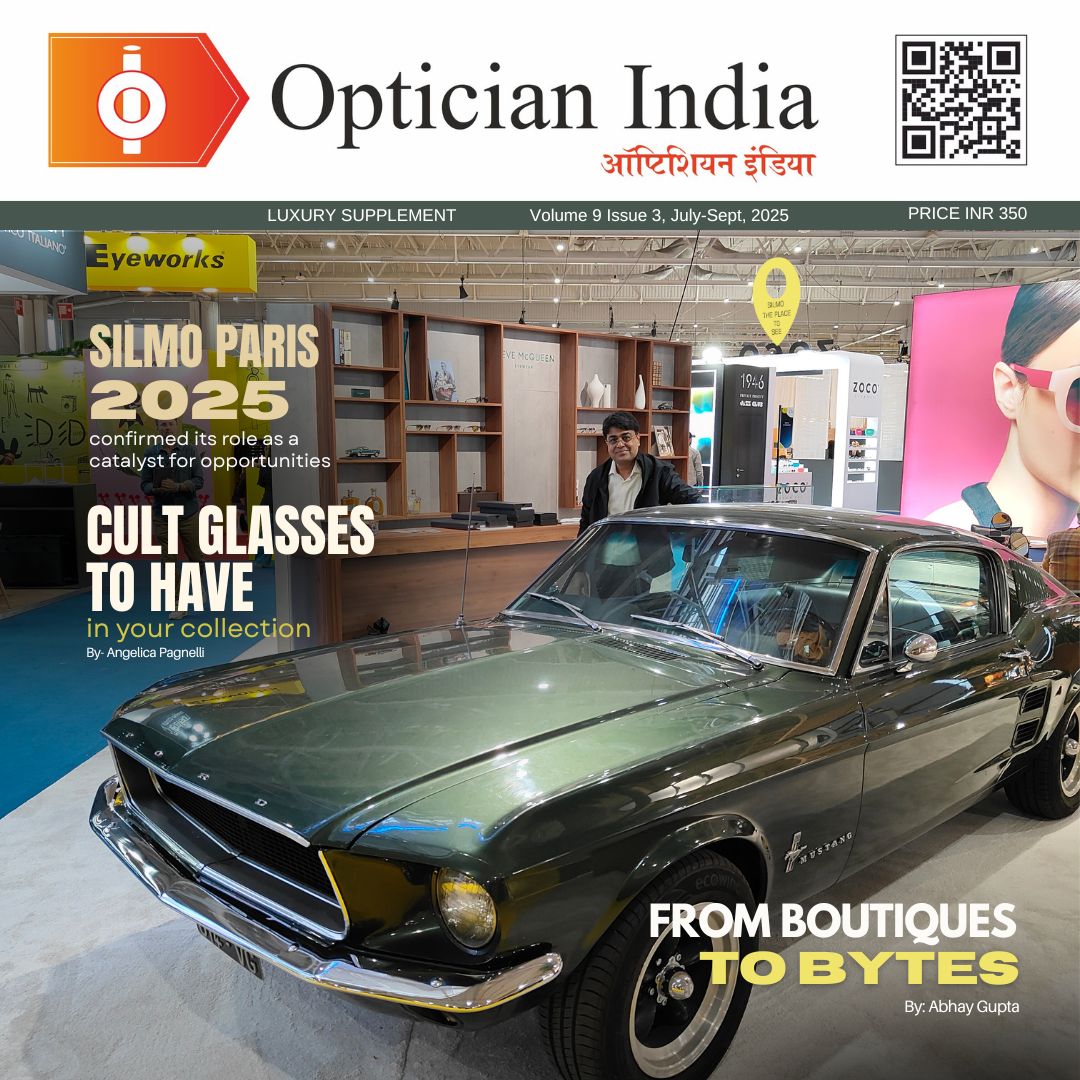
1.jpg)
.jpg)
.jpg)

_(Instagram_Post).jpg)
.jpg)
_(1080_x_1080_px).jpg)

with_UP_Cabinet_Minister_Sh_Nand_Gopal_Gupta_at_OpticsFair_demonstrating_Refraction.jpg)
with_UP_Cabinet_Minister_Sh_Nand_Gopal_Gupta_at_OpticsFair_demonstrating_Refraction_(1).jpg)
.jpg)




.jpg)

.png)