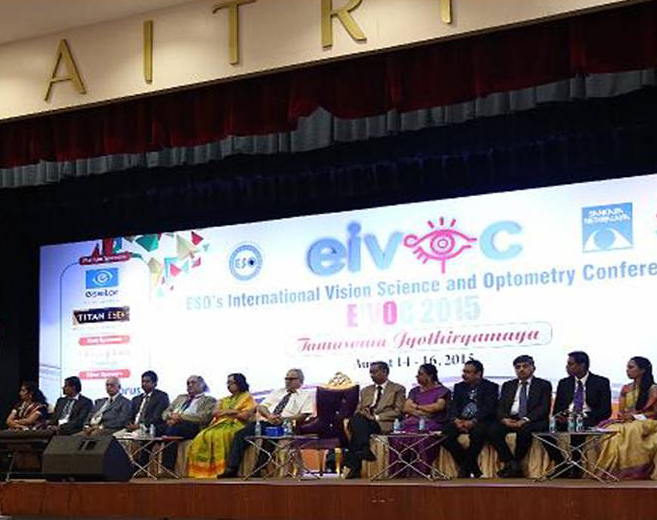
Celebrating World Sight Day
_(3).jpg)
Celebrated every October on the second Thursday, World Sight Day is a momentous occasion drawing global attention to blindness and vision impairment. This year, the theme is "Love Your Child's Eyes," spotlighting pediatric eye care and the importance of early intervention in vision health.
History of World Sight Day
World Sight Day (WSD) has its roots in the global initiative “Vision 2020: The Right to Sight,” launched by the World Health Organization (WHO) and the International Agency for the Prevention of Blindness (IAPB) in 1999. Vision 2020 aimed to eliminate avoidable blindness by 2020 by focusing on major causes of blindness and providing affordable, accessible eye care services to all.
The first World Sight Day was observed in 2000. It served as a platform to advocate for the cause, bringing together governments, NGOs, and health professionals to raise awareness and drive action. Through the years, WSD themes have covered a wide range of topics, including universal eye health, the importance of regular eye exams, and addressing specific conditions like cataracts and diabetes-related blindness.
The Significance of the 2024 Theme: "Love Your Child's Eyes"
In 2024, the theme "Love Your Child's Eyes" emphasizes the crucial role of early detection and treatment of vision problems in children. According to the WHO, up to 80% of blindness in children is preventable or treatable with timely intervention. Early diagnosis and treatment can significantly impact a child's development, education, and overall quality of life.
This theme calls for parents, caregivers, educators, and healthcare professionals to work together to ensure that children receive the necessary eye care. Regular eye examinations, proper nutrition, and protective measures against eye injuries are key components of maintaining good vision in children.
 |
World Sight Day 2024: Key Activities and Campaigns
Organizations around the world plan various activities to mark World Sight Day 2024. These include free eye check-up camps, awareness drives, school-based vision screening programs, and educational workshops for parents and teachers. Here are some noteworthy campaigns:
Eye Care Awareness Drives: These campaigns focus on educating the public about the importance of eye health, the signs of vision problems, and the availability of eye care services.
 |
School-Based Vision Screening Programs: Schools play a crucial role in detecting vision problems early. Vision screening programs in schools can identify children who need further evaluation and treatment.
 |
Free Eye Check-Up Camps: Free eye check-ups help make eye care services accessible to underserved communities. These camps often provide free eyeglasses and referrals for further treatment if needed.
Educational Workshops: Workshops for parents and teachers aim to educate them about the importance of children's eye health, how to identify vision problems, and the steps to take if a problem is suspected.
 |
Social Media Campaigns: Online campaigns using hashtags like #LoveYourChildsEyes and #WorldSightDay2024 aim to spread awareness and engage the public in discussions about children's eye health.
Global Impact of World Sight Day
World Sight Day has successfully raised awareness about the importance of eye health and the challenges faced by those with vision impairment. The concerted efforts of governments, NGOs, and the private sector have led to significant progress in reducing the prevalence of avoidable blindness.
Since its inception, World Sight Day has been instrumental in bringing eye care to the forefront of public health agendas. It has spurred initiatives to improve access to eye care services, especially in low- and middle-income countries where the burden of vision impairment is highest.
Personal Stories: Transforming Lives Through Eye Care
Real-life stories of individuals who have benefited from eye care services highlight the impact of World Sight Day. These stories often feature children whose lives have been transformed by timely intervention. From receiving their first pair of glasses to undergoing life-changing surgeries, these narratives underscore the importance of accessible eye care for all.
Conclusion
World Sight Day 2024, with its theme "Love Your Child's Eyes," serves as a powerful reminder of the importance of early detection and treatment of vision problems in children. By coming together to raise awareness, provide education, and offer eye care services, we can ensure a brighter future for children worldwide.
.jpg)
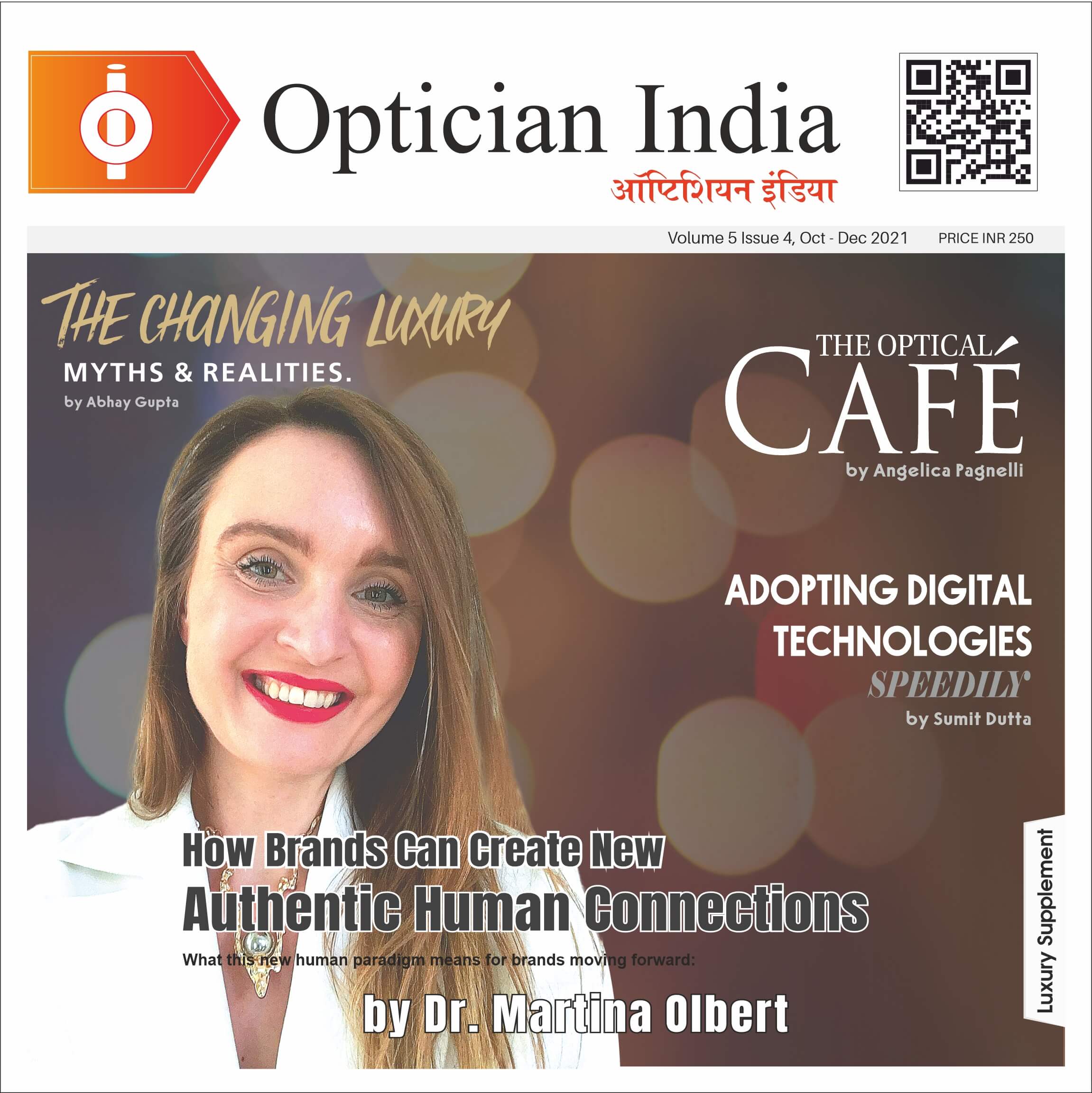
True luxury? Time well spent and emotion
By Angelica Pagnelli In the past, "sister brands"—the segmentation of brands by major fashion houses—served to sell products to those w...
read more1.jpg)
Who Can Call Themselves an Optometrist? NCAHP May Finally Settle the Question
A personal perspective on professional standards, diploma qualifications and the future eye-care workforce By Ramachandran P. India's eye-care sector is...
read more.jpg)
Future Ready Optician: Trust, technology and the new language of luxury optical retail
By Moosi Kazmi True luxury in optics is personal accuracy. This is where the independent optician remains irreplaceable. A family returned to the s...
read more
The Future of Eyewear in India: Premiumization, Technology, and Consumer Change
Interview with Akash Goyle In this exclusive interview, Madhur Gupta, Editor, Optician India sits down with industry pioneer Akash Goyle, the former Co...
read more1.jpg)
Childhood Myopia Enters Parliament: An Opportunity for India to Act
By Ramachandran P. Childhood myopia has finally received attention at one of the country’s highest policymaking forums. On 12 August 2026, Dr. Jas...
read more.jpg)
.jpg)
.jpg)
.jpg)
.jpg)
.jpg)
1.jpg)

.jpg)
.jpg)


_(Instagram_Post).jpg)
.jpg)
_(1080_x_1080_px).jpg)


with_UP_Cabinet_Minister_Sh_Nand_Gopal_Gupta_at_OpticsFair_demonstrating_Refraction.jpg)
with_UP_Cabinet_Minister_Sh_Nand_Gopal_Gupta_at_OpticsFair_demonstrating_Refraction_(1).jpg)
.jpg)






.jpg)


.png)